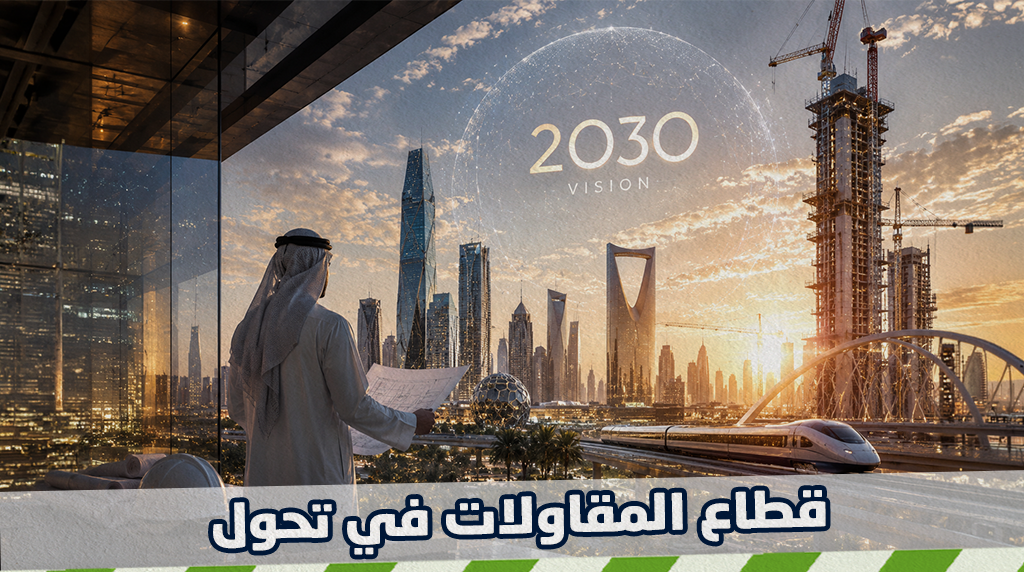
The Saudi Contracting Market Under Vision 2030: Are We Witnessing the Largest Construction Boom in the Kingdom’s History?
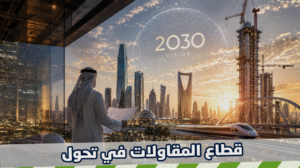
When Saudi Arabia launched Vision 2030, the contracting sector was not merely one of many supporting industries. It was placed at the center of the Kingdom’s transformation strategy. Every new city, infrastructure project, industrial zone, tourism destination, and residential development requires a strong construction industry capable of turning ambitious plans into reality.
But the key question today is: Is the Saudi contracting market genuinely experiencing unprecedented growth, or is the construction boom simply a perception?
The answer is clear: the numbers confirm that the sector is undergoing one of the most significant periods of expansion in its history.
According to recent market research by IMARC Group, Saudi Arabia’s construction market reached approximately USD 101.4 billion in 2025, with projections indicating growth to USD 140.4 billion by 2034. Other industry forecasts, including those from Mordor Intelligence, estimate that the market could exceed USD 186 billion by 2031, reflecting strong long-term momentum driven by Vision 2030 projects and economic diversification initiatives.
Why Has the Saudi Contracting Market Become So Important?
As an investor, developer, or project owner, ask yourself:
Can Saudi Arabia achieve its tourism, housing, logistics, industrial, and quality-of-life objectives without a world-class construction industry?
The answer is no.
Vision 2030 is fundamentally built on economic diversification. Delivering that transformation requires large-scale investments in infrastructure, transportation networks, industrial facilities, residential communities, tourism destinations, healthcare facilities, and educational institutions.
As a result, the contracting sector has evolved from a supporting industry into a strategic driver of national development.
The importance of this transformation is reflected in Saudi Arabia’s economic performance. According to the General Authority for Statistics (GASTAT), non-oil activities recorded significant growth in recent years, reinforcing the demand for construction and infrastructure development across multiple sectors.
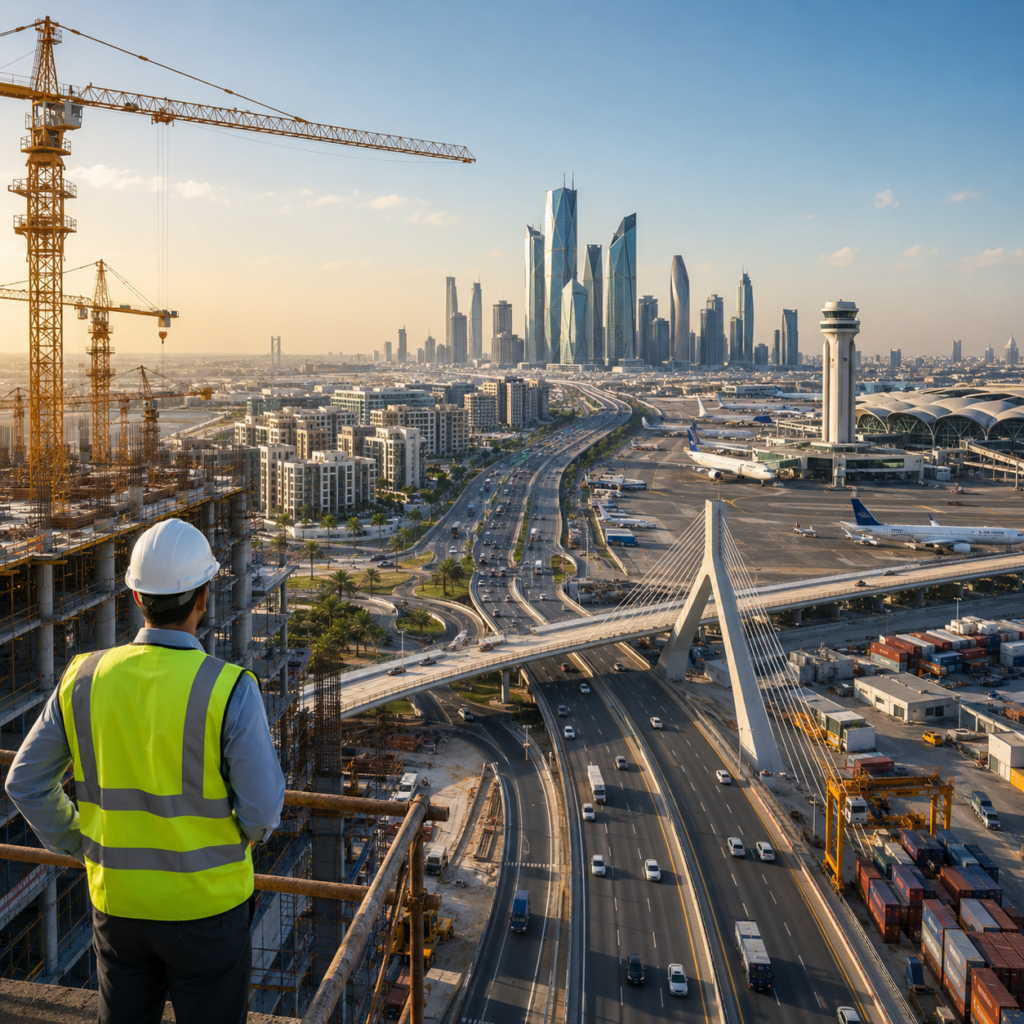
Has the Saudi Construction Market Really Exceeded USD 100 Billion?
Yes. Several reputable market research firms estimate that the Saudi construction market surpassed the USD 100 billion mark in 2025.
However, it is important to distinguish between two commonly cited figures:
Annual Construction Market Value
This refers to the total value of construction activity generated within a specific year.
Construction Project Pipeline
This represents the total value of planned, announced, or ongoing projects over multiple years.
This distinction explains why annual market estimates may be around USD 100 billion, while the Kingdom’s overall project pipeline is frequently valued in the trillions of dollars due to the scale of Vision 2030 developments.
What Do These Numbers Mean for Clients?
You may be asking:
How does a growing construction market affect my project?
A larger market creates opportunities, but it also introduces challenges.
As project volumes increase, competition for materials, equipment, skilled labor, and specialized contractors becomes more intense. Project owners therefore need construction partners capable of managing schedules, costs, procurement, quality, and risk effectively.
In today’s market, technical construction expertise alone is not enough. Successful project delivery requires strong project management capabilities and the ability to navigate an increasingly complex construction environment.
What Is Driving Growth in the Saudi Contracting Sector?
Several major factors are fueling continued expansion.
Vision 2030 Mega Projects
Large-scale developments continue to generate significant demand across the construction industry.
These projects include:
- New urban developments
- Tourism destinations
- Industrial zones
- Logistics hubs
- Smart city initiatives
- Infrastructure modernization programs
Residential Development
Housing remains one of the Kingdom’s key priorities.
Saudi Arabia has achieved significant progress in increasing homeownership rates, creating sustained demand for residential construction, community developments, and supporting infrastructure.
This growth continues to generate opportunities for contractors, developers, consultants, and suppliers throughout the construction value chain.
Government Spending
The Saudi government continues to allocate substantial budgets toward infrastructure, public facilities, transportation, healthcare, education, and economic development projects.
These investments support both immediate construction activity and long-term economic growth.
Is the Saudi Contracting Sector Attractive to Investors?
The data suggests it is.
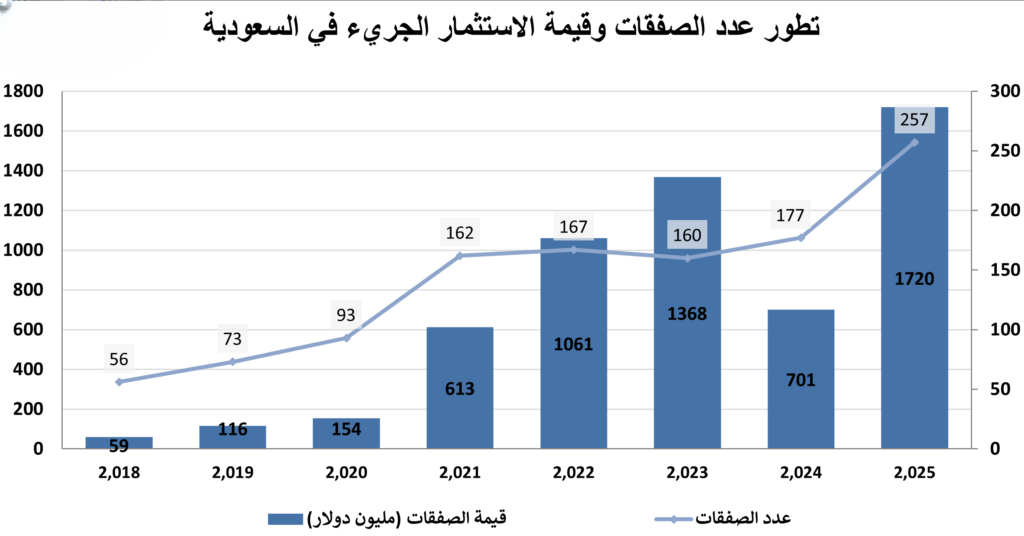
Foreign direct investment in Saudi Arabia’s construction sector has continued to grow, reflecting confidence in the Kingdom’s long-term development strategy and project pipeline.
Why are international investors increasingly interested in Saudi construction?
The answer lies in diversification.
Unlike markets that depend heavily on a single segment, Saudi Arabia’s construction industry is supported by multiple growth drivers:
- Residential development
- Industrial expansion
- Tourism projects
- Infrastructure investments
- Healthcare facilities
- Educational institutions
- Logistics and transportation projects
- Government developments
This diversified demand base creates long-term opportunities across the sector.
How Active Is the Market Today?
The Saudi contracting market is not simply growing on paper.
According to recent industry data:
- Hundreds of thousands of construction-related businesses operate across the Kingdom.
- The sector generates hundreds of billions of Saudi Riyals in annual operating revenues.
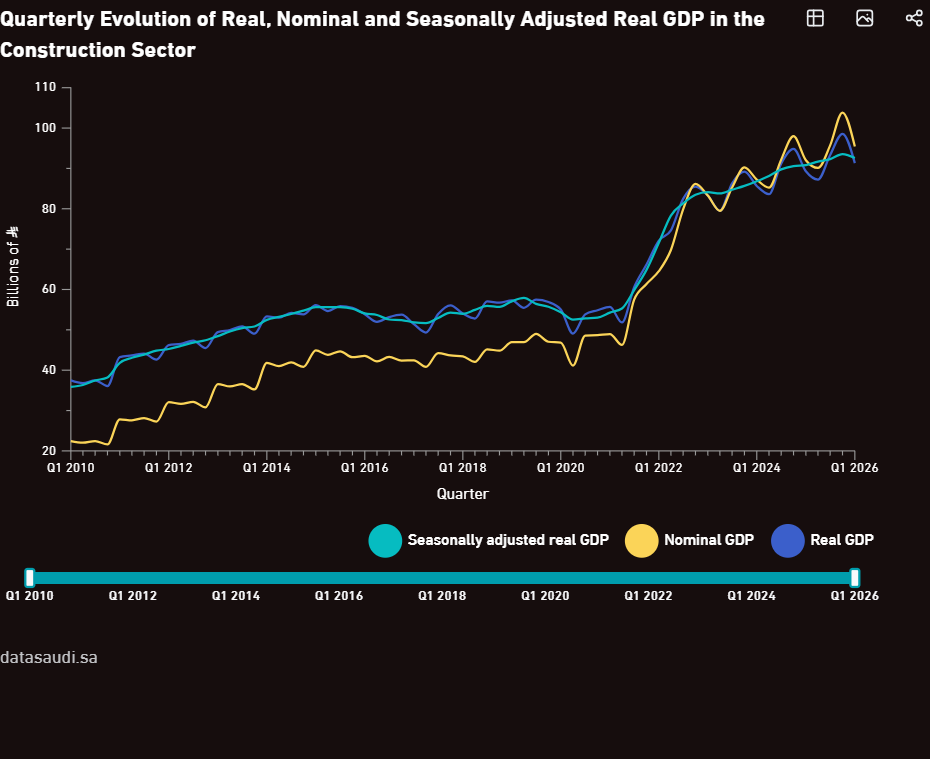
- Construction activities continue to contribute significantly to the Kingdom’s non-oil GDP.
These indicators demonstrate that the market is already highly active while maintaining strong growth prospects for the future.
What Should Clients Look for in Today’s Construction Environment?
In a market of this scale, the question is no longer:
Should I launch my project?
Instead, the more important question becomes:
Who should I trust to deliver it?
Successful projects require more than construction capabilities. They require:
- Strategic planning
- Effective project management
- Cost control
- Risk management
- Quality assurance
- Supply chain coordination
- Regulatory compliance
Project owners should seek partners who provide realistic schedules, transparent budgeting, strong governance, and proven execution capabilities.
How Is Atwar Alkon Supporting This Transformation?
At Atwar Alkon, we view the growth of Saudi Arabia’s contracting sector as both an opportunity and a responsibility.
Every project delivered today contributes to shaping the Kingdom’s future infrastructure, cities, industries, and communities.
Our approach combines:
- Engineering expertise
- Professional project management
- Quality-driven execution
- Safety-focused operations
- Efficient resource management
We believe construction is not simply about building structures. It is about transforming ideas into operational assets that deliver long-term value.
From initial planning through final handover, our goal is to help clients achieve successful outcomes through disciplined execution and professional management.
Conclusion: Is the Saudi Contracting Market Ready for the Next Phase?
The evidence clearly suggests that it is.
Driven by Vision 2030, infrastructure investment, economic diversification, housing development, industrial expansion, and growing private sector participation, the Saudi contracting market is experiencing one of the most significant growth periods in its history.
However, success in this environment requires more than market opportunity. It requires the right construction partner.
As projects become larger and more complex, execution quality, project management capabilities, and technical expertise will become increasingly important differentiators.
If you are planning a new project in Saudi Arabia, consider asking yourself one simple question:
Do you have a construction partner capable of turning your vision into reality?
At Atwar Alkon, we work alongside our clients from concept to completion, transforming ambitious ideas into successful projects.
Frequently Asked Questions (FAQ)
How large is the Saudi contracting market?
Recent market studies estimate that Saudi Arabia’s construction market exceeded USD 100 billion in 2025, making it one of the largest construction markets in the Middle East.
How has Vision 2030 impacted the contracting sector?
Vision 2030 has significantly increased demand for construction through investments in infrastructure, housing, tourism, logistics, industry, healthcare, and education projects.
What are the biggest opportunities in the Saudi construction market?
Key opportunities include residential developments, commercial projects, industrial facilities, infrastructure works, tourism developments, and government projects.
Why is the Saudi contracting market growing?
Growth is driven by Vision 2030 initiatives, government spending, private sector investment, economic diversification, and increasing demand for housing and infrastructure.
Is the Saudi construction sector attractive to investors?
Yes. The sector continues to attract local and international investment due to its large project pipeline, diversified growth drivers, and long-term development plans.
What sectors generate the highest demand for contracting services?
Residential, commercial, industrial, healthcare, education, infrastructure, logistics, energy, and government sectors all contribute significantly to construction demand.
Why is choosing an experienced contractor important?
Experienced contractors help manage project risks, control costs, maintain quality standards, ensure regulatory compliance, and deliver projects on schedule.
How do contracting companies contribute to Vision 2030?
Contracting companies transform development plans into reality by delivering infrastructure, housing, industrial facilities, public services, and large-scale projects that support the Kingdom’s long-term objectives.