A building preventive maintenance plan starts with knowing the assets, rather than filling a monthly calendar with identical visits. An incomplete register can leave important equipment outside the programme while low-priority tasks are repeated. A useful plan connects each task to an identified asset, a technical reference, an owner and a recorded outcome.
Build a register that works on site
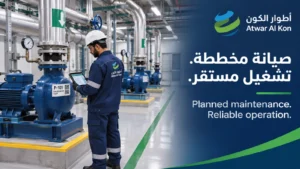
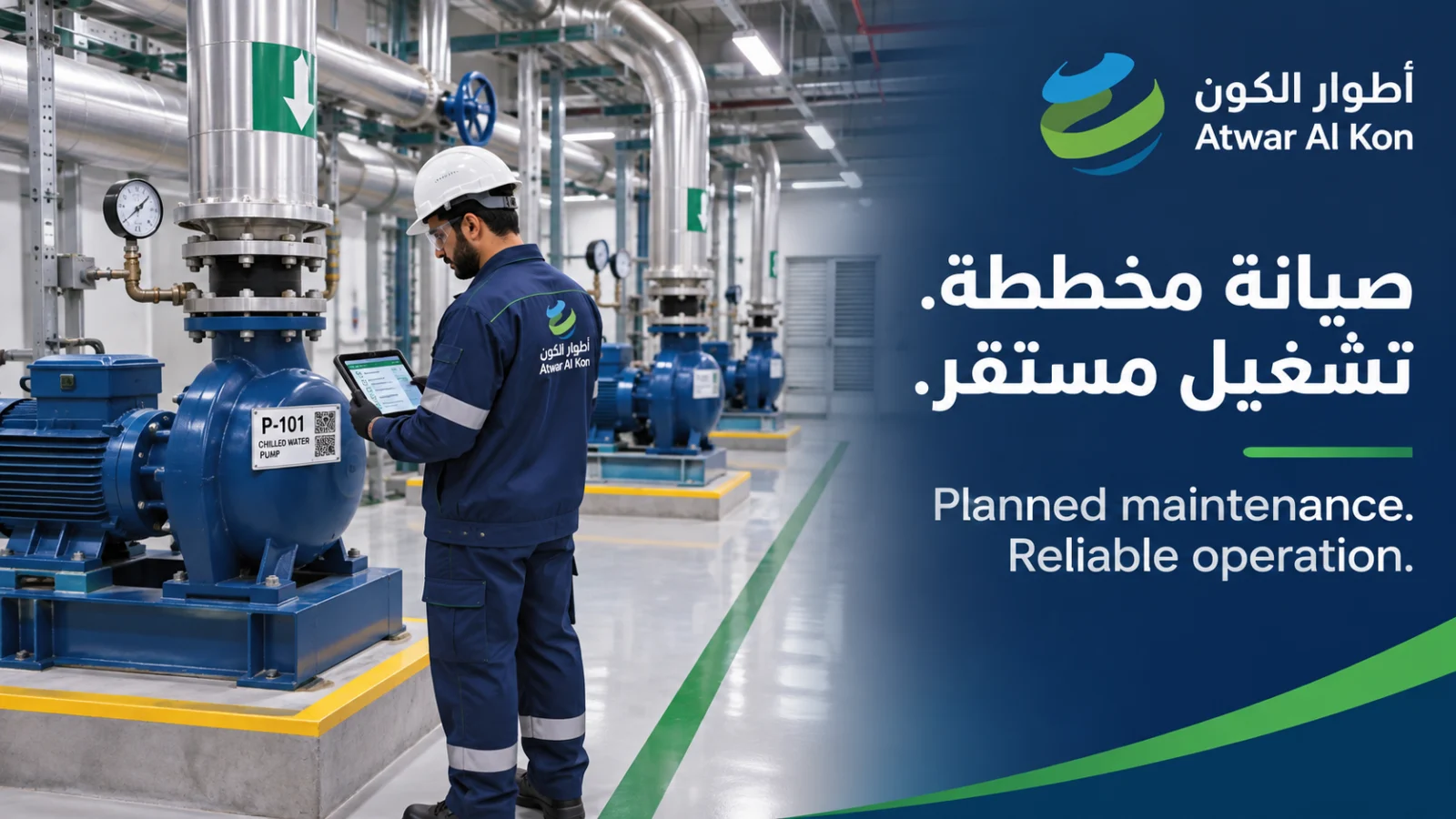
Identify systems within the maintenance scope, such as cooling equipment, pumps, electrical panels and plumbing systems, as applicable to the building and contract. Give each asset a clear reference and record its location, manufacturer, model, serial number, condition and available documents.
A description such as ‘basement pump’ is inadequate when several pumps are installed. Align the reference across the equipment label, drawings and fault records. Treat missing information as an assigned follow-up action with a due date, rather than leaving unexplained gaps.
Prioritize assets by the effect of failure
An asset’s importance depends on the service it supports, the effect of interruption, available redundancy and spare-part availability. The responsible team should review these factors rather than treating every asset as equally critical.
A lower priority does not cancel necessary maintenance. Requirements and inspection frequencies for safety-related systems should be reviewed by the relevant specialists using applicable requirements and manufacturer information, not chosen through administrative preference.
Connect tasks to technical guidance
Develop tasks and intervals from manufacturer manuals, operating needs, asset history and applicable requirements. State the task, the information the technician must record and the conditions requiring escalation. Do not copy another building’s schedule without checking the equipment and operating conditions.
Some tasks may be time-based; others may depend on running hours or equipment condition under specialist guidance. No single interval suits every pump or air-conditioning unit. Model, usage, environment and manufacturer requirements all affect the programme.
Issue work orders that can be completed
Assign responsibility, due dates, expected duration and necessary materials or spares. Plan access and service interruptions where required, with approved permit, isolation and safety procedures implemented by qualified personnel. Prerequisites should be visible before technicians arrive.
Each work order should identify the asset, task, reference, findings and completion date. If the task cannot be completed, record the reason, proposed rescheduling and required authorization. A site visit alone is not evidence that maintenance was completed.
Use results to improve the plan
Monitor due, completed and overdue tasks alongside recurring faults and downtime affecting important assets. A high closure percentage can be misleading if the same fault repeatedly returns. Review whether closure addressed the cause or only restored operation temporarily.
For example, repeat pump faults after several visits should trigger a technical review of records, measurements and operating conditions. More visits are not automatically the solution. Document and approve changes to tasks or intervals with their supporting reasons.
| Plan information | What to clarify |
|---|---|
| Asset | Reference, location and model |
| Task | Description and technical source |
| Execution | Owner, due date and prerequisites |
| Closure | Findings and follow-up action |
Practical tip
Pilot the plan on a defined asset group, checking that technicians can locate equipment and documents and record useful results before extending the format.
Frequently asked questions
Is a visit schedule a maintenance plan?
It is one part. A complete plan also defines assets, tasks, references, priorities, resources and the process for recording and reviewing outcomes.
Can preventive maintenance eliminate every failure?
No. It supports reliability and risk management, but corrective maintenance and a response process are still necessary.
Your next step with Atwar Al Kon
Explore the relevant service: Operation & Maintenance Services. Related reading: Operation and Maintenance Contract Scope: Defining Responsibilities and Exclusions.
Start with your project information
Share the available drawings, project location and required scope with Atwar Al Kon to identify the information needed and discuss a suitable service package.